Advanced Ventilation Systems: Staying Cool in High-Performance Motorcycle Gear

Michael Thompson
10 March 2026
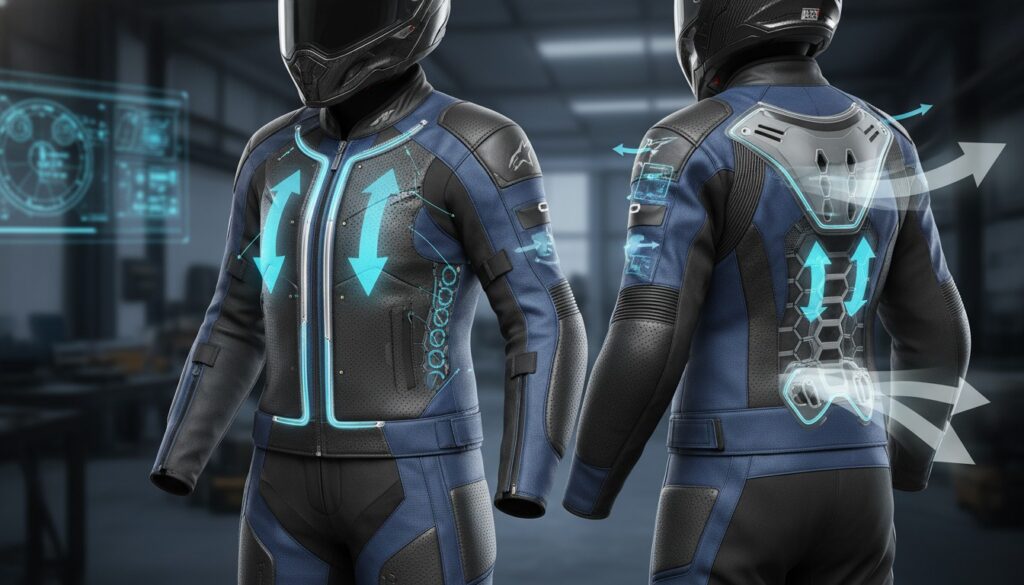
Advanced Ventilation Systems: Staying Cool in High-Performance Motorcycle Gear
Introduction
Riding at high speeds generates tremendous heat, both from the environment and your own body’s exertion. For motorcycle enthusiasts who refuse to compromise on protection, staying cool while wearing full gear presents a significant challenge. Alpinestars has revolutionized this space through innovative ventilation systems that maintain optimal body temperature without sacrificing safety.
Modern motorcycle gear must balance three critical factors: protection, comfort, and performance. Traditional leather suits often trap heat, leading to fatigue, dehydration, and reduced concentration – all dangerous factors when you’re pushing limits on the track or street. This comprehensive guide explores how advanced airflow management transforms your riding experience.
The Science Behind Motorcycle Gear Ventilation
Understanding thermal regulation in motorcycle gear begins with recognizing how heat affects rider performance. When core body temperature rises above 98.6°F (37°C), cognitive function decreases, reaction times slow, and physical endurance drops significantly.
Heat Transfer Mechanisms in Riding Gear
Three primary heat transfer methods affect motorcycle riders:
- Conduction: Direct heat transfer through contact with hot surfaces
- Convection: Heat removal through air circulation around the body
- Evaporation: Cooling through moisture removal from skin surface
- Entry points: Strategic intake vents positioned to capture maximum airflow
- Internal channels: Pathways that direct air across heat-generating body zones
- Exit vents: Exhaust points that create negative pressure for continuous circulation
- Maintain leather strength through strategic hole placement
- Optimize perforation density based on body heat zones
- Ensure holes remain open during dynamic riding positions
- Mapping heat zones across the human body during riding positions
- Calculating optimal hole diameter (typically 1-3mm) for maximum airflow
- Programming laser patterns that avoid stress concentration points
- Quality testing for abrasion resistance and structural integrity
- Reduce leather thickness in non-critical protection areas
- Enhance flexibility to prevent perforation closure during movement
- Improve moisture resistance while maintaining breathability
- Large intake vents capture high-velocity airflow
- Internal baffles direct air across core body areas
- Mesh backing prevents debris entry while maximizing flow
- Spine protector integration with ventilation channels
- Heat extraction vents positioned at shoulder blade level
- Negative pressure zones created by aerodynamic suit design
- Articulated vents that remain open during joint movement
- Perforation density increases in high-flex areas
- Internal moisture-wicking layers enhance evaporation
- Zipper-controlled vents: Quick adjustment during ride breaks
- Magnetic closures: Secure vent operation with gloved hands
- Progressive opening: Partial vent adjustment for fine-tuning
- Synthetic fabrics that pull moisture away from skin
- Antimicrobial treatments preventing odor buildup
- Quick-dry materials that enhance evaporation rates
- Spacer fabrics creating air gaps for circulation
- Channeled materials directing airflow to critical areas
- Breathable membranes allowing vapor transfer while blocking wind
- Heat distribution mapping during simulated riding positions
- Temperature differential measurements across suit zones
- Thermal regulation efficiency calculations
- Wind tunnel testing at various speeds (30-200+ mph)
- Computational fluid dynamics modeling
- Pressure differential analysis across vent systems
- MotoGP and WorldSBK rider input on thermal comfort
- Track testing across different climate conditions
- Performance correlation with lap times and endurance
- Real-world riding scenario evaluation
- Long-distance touring comfort assessments
- Urban riding heat management analysis
- Inspect all vents for debris or damage before each ride
- Adjust ventilation settings based on weather conditions and ride intensity
- Layer appropriately with moisture-wicking base garments
- Hydrate properly to support natural cooling mechanisms
- Monitor body temperature and adjust vents at stops
- Maintain proper riding position to ensure optimal airflow
- Use progressive vent opening for gradual temperature adjustment
- Consider ambient conditions when planning vent configurations
- Clean perforations with soft brushes to prevent clogging
- Use appropriate leather cleaners that won’t damage treatments
- Inspect vent mechanisms for proper operation
- Store gear in ventilated areas to prevent moisture buildup
- Avoid extreme temperatures that could affect material properties
- Periodically exercise vent mechanisms to maintain functionality
- Sensors monitoring body temperature and ambient conditions
- Motorized vents that adjust automatically
- Smartphone integration for remote monitoring and control
- Shape-memory alloys that open/close vents based on temperature
- Smart fabrics with variable permeability
- Integrated cooling systems using thermoelectric technology
- Bio-based synthetic leathers with enhanced breathability
- Recycled performance fabrics maintaining ventilation properties
- Sustainable manufacturing processes for perforated materials
“Proper ventilation can reduce core body temperature by up to 8°F during intensive riding sessions, dramatically improving rider endurance and safety.” – Alpinestars Research Team
Airflow Dynamics in Motorcycle Suits
Aerodynamic principles govern how air moves through motorcycle gear. Venturi effects created by suit design can either enhance or hinder cooling efficiency. Alpinestars utilizes computational fluid dynamics (CFD) modeling to optimize vent placement and sizing.
Key airflow considerations include:
Perforated Leather Technology: Balancing Protection and Breathability
Perforated leather represents one of the most significant advances in motorcycle gear ventilation. This technology requires precise engineering to maintain structural integrity while maximizing airflow.
Micro-Perforation Patterns
Alpinestars employs laser-cutting technology to create consistent micro-perforations that:
Advanced Leather Treatment
Beyond perforation, leather treatment affects ventilation performance. Alpinestars uses specialized tanning processes that:
Strategic Vent Placement: Engineering Optimal Airflow
Vent positioning requires understanding both human anatomy and motorcycle aerodynamics. Alpinestars conducts extensive wind tunnel testing and rider studies to determine optimal vent locations.
Primary Ventilation Zones
Chest and Upper Torso:
Back Panel Ventilation:
Arm and Leg Ventilation:
Adjustable Ventilation Systems
Modern Alpinestars suits feature adaptive ventilation allowing riders to modify airflow based on conditions:
Moisture-Wicking Technologies: Beyond Basic Airflow
Effective ventilation extends beyond air circulation to include moisture management. Alpinestars integrates multiple technologies to handle perspiration and external moisture.
Multi-Layer Fabric Systems
Base Layer Integration:
Intermediate Ventilation Layers:
Advanced Textile Technologies
`Phase Change Materials (PCM)`: Specialized fabrics that absorb excess heat and release it gradually, maintaining consistent body temperature.
`Graphene-Enhanced Fibers`: Conductive materials that distribute heat evenly across suit surfaces, preventing hot spots.
`Hydrophobic Treatments`: Surface coatings that repel external moisture while allowing internal vapor escape.
Real-World Performance: Testing and Validation
Alpinestars employs comprehensive testing protocols to validate ventilation system performance across diverse riding conditions.
Laboratory Testing Methods
Thermal Imaging Analysis:
Airflow Measurement:
Field Testing Programs
Professional Rider Feedback:
Consumer Testing Studies:
Practical Tips for Maximizing Gear Ventilation
Optimizing your motorcycle gear’s ventilation system requires understanding both the technology and proper usage techniques.
Pre-Ride Preparation
During-Ride Optimization
Maintenance and Care
Regular Cleaning:
Storage Considerations:
Future Innovations in Motorcycle Gear Ventilation
The evolution of motorcycle gear ventilation continues with emerging technologies and materials science advances.
Smart Ventilation Systems
Automated Climate Control:
Adaptive Materials:
Sustainability Considerations
Eco-Friendly Materials:
Conclusion
Advanced ventilation systems in motorcycle gear represent a critical safety and performance enhancement that serious riders cannot ignore. Alpinestars’ commitment to engineering excellence has produced ventilation technologies that maintain optimal body temperature without compromising protection levels.
The integration of perforated leather technology, strategic vent placement, and moisture-wicking materials creates a comprehensive thermal management system. Understanding these technologies and their proper application can dramatically improve your riding experience, whether you’re carving canyons, touring long distances, or pushing limits on the track.
Investment in properly ventilated gear pays dividends in comfort, safety, and performance. As technology continues advancing, we can expect even more sophisticated solutions that further blur the line between protection and comfort.
Take Action: Upgrade Your Riding Experience
Don’t let inadequate ventilation compromise your riding performance and safety. Explore Alpinestars’ latest ventilated gear collections and experience the difference that advanced airflow management makes. Whether you’re a track day enthusiast, touring rider, or daily commuter, there’s a ventilation solution engineered for your specific needs.
Visit your local Alpinestars dealer to experience these technologies firsthand, or browse the complete collection online to find gear that keeps you cool, protected, and performing at your best. Your body will thank you, and your riding will reach new levels of comfort and endurance.