Carbon Fiber Revolution: The Future of Lightweight Motorcycle Protection

Michael Thompson
10 March 2026
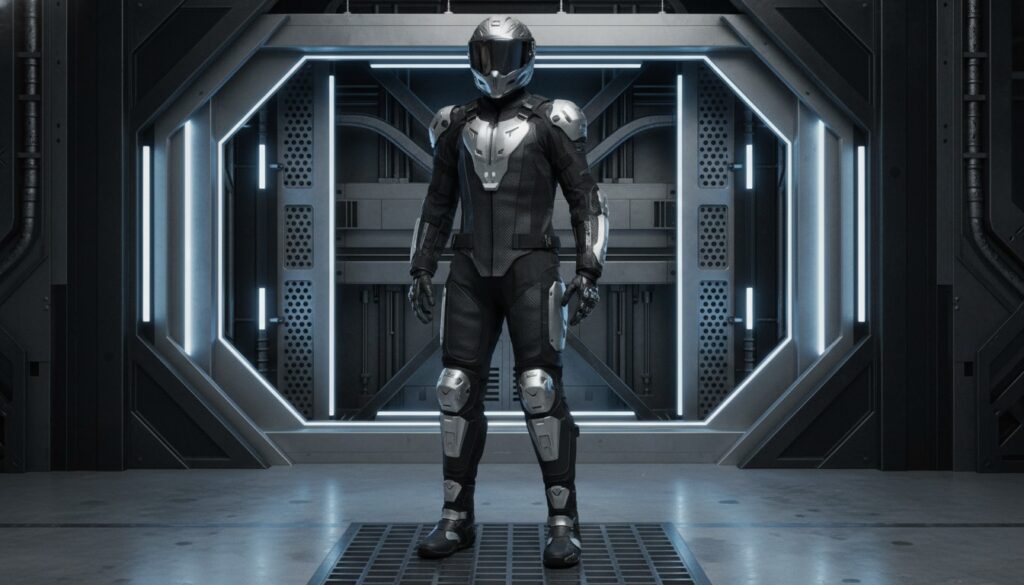
Carbon Fiber Revolution: The Future of Lightweight Motorcycle Protection
Introduction
The roar of a motorcycle engine, the wind rushing past your helmet, and the freedom of the open road – these are the moments every rider lives for. But beneath the exhilaration lies a constant reality: the need for protection without compromise. Enter carbon fiber, the revolutionary material that’s transforming motorcycle safety gear from heavy, cumbersome armor into lightweight, high-performance protection systems.
Once reserved exclusively for Formula 1 cars and aerospace applications, carbon fiber has found its way into every corner of the motorcycle industry. While most riders associate it with exotic superbike frames and fairings, the real revolution is happening in protective gear. Companies like Alpinestars are pioneering the integration of this aerospace-grade material into knee sliders, back protectors, and armor inserts, delivering maximum protection with minimal weight penalty.
Why does this matter? Because traditional motorcycle protection often forces riders to choose between safety and comfort, between comprehensive coverage and freedom of movement. Carbon fiber eliminates this compromise entirely.
The Science Behind Carbon Fiber Protection
Understanding Carbon Fiber Composition
Carbon fiber isn’t just a single material – it’s a carefully engineered composite that combines carbon filaments with polymer resins to create structures that are simultaneously lighter than aluminum and stronger than steel. The magic lies in the weave patterns and layup techniques that manufacturers use to optimize specific properties.
In motorcycle protective gear, carbon fiber offers several critical advantages:
- Exceptional strength-to-weight ratio: Up to 5 times stronger than steel while weighing 70% less
- Impact energy absorption: Superior ability to dissipate crash forces across the material surface
- Flexibility in design: Can be molded into complex shapes that conform to body contours
- Durability: Resistant to fatigue, corrosion, and temperature extremes
- Low profile: Enables sleeker, less bulky protective gear designs
- Multi-directional carbon fiber weave for omnidirectional strength
- Integrated shock absorption zones
- Reduced friction coefficient for smoother slides
- Temperature resistance up to 400°F (204°C)
- 40% lighter than equivalent plastic sliders
- Improved rider feedback through reduced bulk
- Consistent performance across temperature ranges
- Extended lifespan with predictable wear patterns
- Hexagonal cell structures that flex with body movement
- Progressive stiffening under impact loads
- Ventilation channels integrated into the carbon matrix
- Modular design allowing customized protection zones
- CE Level 2 certification with 35% weight reduction
- Multi-impact capability (traditional foam inserts are single-use)
- Temperature stability from -40°F to 200°F (-40°C to 93°C)
- Antimicrobial surface treatments
- Traditional plastic/foam armor: 3.2 kg (7.1 lbs)
- Carbon fiber equivalent: 1.9 kg (4.2 lbs)
- Weight savings: 40.6%
- Reduced rider fatigue on long journeys
- Improved bike handling through lower center of gravity
- Enhanced comfort encouraging consistent gear usage
- Better heat dissipation and ventilation
- Force transmission reduction: 65% vs 45% for traditional materials
- Multi-impact performance: Maintains 90% effectiveness after 5 impacts
- Coverage area: 23% larger protection zones due to material flexibility
- Edge effect reduction: Smoother force distribution at armor boundaries
- Carbon fiber gear: 2.5x traditional gear cost
- Traditional gear replacement cycle: 2-3 years
- Carbon fiber lifespan: 5-7 years with proper care
- Reduced replacement frequency
- Superior crash protection (potentially life-saving)
- Maintained resale value
- Enhanced riding experience encouraging more frequent use
- Layup phase: Carbon fiber sheets arranged in predetermined orientations
- Vacuum bagging: Air removal to eliminate voids and ensure resin distribution
- Pressure curing: 85 PSI pressure at 250°F for optimal fiber-resin bonding
- Quality inspection: X-ray and ultrasonic testing for internal defects
- Precise fiber placement in three-dimensional forms
- Consistent resin-to-fiber ratios
- Integration of different carbon fiber types within single components
- Reduced waste and improved environmental sustainability
- Tensile strength verification: Minimum 3.5 GPa requirement
- Impact resistance: Drop tower testing at multiple energy levels
- Fatigue testing: 100,000 cycle durability verification
- Environmental testing: UV, temperature, and chemical resistance
- Fit testing: Human factors validation with professional riders
- Comfort during long rides: Reduced pressure points and hot spots
- All-weather performance: Consistent protection regardless of temperature
- Confidence boost: Psychological benefits of premium protection
- Gear compliance: More likely to wear protection that doesn’t impede movement
- Heat management: Carbon fiber doesn’t retain heat like traditional plastics
- Consistency: Performance doesn’t degrade throughout long track sessions
- Crash protection: Multiple users report walking away from high-speed crashes
- Durability: Gear maintains effectiveness across multiple seasons
- Piezoelectric integration: Carbon fibers that generate electricity from movement
- Shape-memory capabilities: Armor that adjusts stiffness based on impact prediction
- Sensor integration: Real-time monitoring of gear integrity and performance
- Connectivity features: Integration with motorcycle safety systems
- Recycled carbon fiber: Reusing aerospace-grade materials in motorcycle applications
- Bio-based resins: Plant-derived polymers reducing environmental impact
- Closed-loop manufacturing: Waste reduction and material recovery systems
- End-of-life programs: Gear recycling and material reclamation initiatives
- Hybrid constructions: Strategic carbon fiber placement with traditional materials
- Manufacturing scale: Increased production volumes reducing per-unit costs
- Regional production: Local manufacturing reducing shipping costs and lead times
- Modular systems: Upgradeable protection allowing gradual investment
- Gentle cleaning with pH-neutral soap and soft cloths
- Air drying away from direct sunlight
- Visual inspection for cracks or delamination
- Storage in breathable gear bags
- Disassemble removable components
- Soak in lukewarm water with specialized carbon fiber cleaner
- Gentle scrubbing with soft-bristled brush
- Thorough rinsing and complete air drying
- Reassembly with proper torque specifications
- Check for visible damage or wear patterns
- Verify secure attachment to garments
- Test flexibility and range of motion
- Confirm proper positioning and coverage
- Professional evaluation after any crash or impact
- X-ray inspection if internal damage suspected
- Replacement if any structural compromise detected
- Documentation for insurance and warranty purposes
How Carbon Fiber Absorbs Impact Energy
When a motorcycle rider hits the pavement, the protective gear must manage enormous forces in milliseconds. Traditional materials like hard plastics tend to either crack catastrophically or transfer impact forces directly to the body. Carbon fiber, however, delaminates progressively – meaning it absorbs energy by allowing its layers to separate in a controlled manner.
“Carbon fiber doesn’t just protect – it sacrifices itself layer by layer to save the rider. It’s like having a material that gets stronger as it breaks.” – Materials Engineer, Alpinestars R&D
This progressive failure mechanism is what makes carbon fiber so effective in crash scenarios, turning potentially devastating impacts into manageable forces.
Alpinestars: Pioneering Carbon Fiber Integration
Revolutionary Knee Slider Technology
Alpinestars has completely reimagined the humble knee slider using advanced carbon fiber construction. Their GP Pro Knee Sliders represent a quantum leap in both protection and performance. Unlike traditional plastic sliders that simply provide abrasion resistance, these carbon fiber variants offer:
Enhanced Protection Features:
Performance Advantages:
The engineering behind these sliders involves strategic fiber orientation – placing carbon strands in specific directions to optimize both sliding characteristics and impact protection. This isn’t just about using expensive materials; it’s about using them intelligently.
Next-Generation Back Protector Systems
Back injuries represent some of the most serious consequences of motorcycle accidents. Alpinestars’ carbon fiber back protectors, including the Nucleon KR-Cell and Bionic Pro series, showcase how advanced materials can provide comprehensive spinal protection without restricting movement.
#### Key Innovation: Cellular Carbon Structure
The breakthrough lies in Alpinestars’ cellular carbon fiber construction. Rather than solid carbon panels, these protectors feature:
Armor Inserts: The Hidden Revolution
Perhaps the most significant advancement is in CE-rated armor inserts made from carbon fiber composites. These inserts, which fit into jackets, pants, and gloves, represent the democratization of carbon fiber protection – making it accessible to everyday riders, not just professional racers.
Technical Specifications:
Comparative Analysis: Carbon Fiber vs Traditional Materials
Weight Comparison Study
Real-world testing reveals dramatic differences in protective gear weight:
Full Protection Setup Comparison:
This weight reduction translates directly into:
Protection Performance Metrics
Standardized impact testing (EN 1621-1 and EN 1621-2) shows carbon fiber’s superiority:
Cost-Benefit Analysis
While carbon fiber protection commands a premium price, the total cost of ownership tells a different story:
Initial Investment:
Long-term Value:
Manufacturing Excellence: Behind the Scenes
Alpinestars’ Production Process
Creating carbon fiber motorcycle protection requires precision manufacturing that rivals aerospace standards. Alpinestars employs several advanced techniques:
#### Autoclave Curing Process
The autoclave method ensures consistent quality and maximum strength:
For complex geometries like back protectors, RTM technology allows:
Quality Control Standards
Every carbon fiber component undergoes rigorous testing:
Real-World Applications and User Experiences
Professional Racing Adoption
MotoGP and World Superbike riders have universally adopted carbon fiber protection, providing real-world validation of its effectiveness. Professional rider testimonials consistently highlight:
“The difference is immediately noticeable – not just in weight, but in how the protection moves with you. It’s like the gear disappears, but you know it’s there when you need it.” – Jorge Martin, MotoGP Rider
Street Rider Benefits
Everyday motorcyclists report significant improvements in:
Track Day Enthusiasts
Track day riders represent the perfect testing ground for carbon fiber gear, combining high speeds with repeated use:
Future Developments and Innovations
Smart Carbon Fiber Integration
The next frontier involves intelligent carbon fiber systems that adapt to conditions:
Sustainable Manufacturing
Environmental considerations are driving innovation in carbon fiber production:
Accessibility Improvements
Making carbon fiber protection accessible to broader markets:
Maintenance and Care Guidelines
Proper Cleaning Techniques
Carbon fiber requires specific care to maintain its protective properties:
Daily Maintenance:
Deep Cleaning Process:
Inspection Protocols
Pre-ride Inspection:
Post-incident Inspection:
Conclusion
The carbon fiber revolution in motorcycle protection represents more than just a material upgrade – it’s a fundamental reimagining of what protective gear can be. By eliminating the traditional compromises between safety and comfort, weight and protection, carbon fiber enables a new generation of motorcycle safety equipment that riders actually want to wear.
Alpinestars’ pioneering work in integrating carbon fiber into knee sliders, back protectors, and armor inserts demonstrates the material’s versatility and effectiveness across all applications. From the microscopic level of fiber orientation to the macro level of system integration, every aspect has been optimized for the unique demands of motorcycle protection.
The data is compelling: 40% weight reduction, 65% better force transmission, and multi-impact durability that extends gear lifespan while providing superior protection. But perhaps more importantly, carbon fiber protection encourages consistent use – and gear that isn’t worn provides zero protection.
As manufacturing scales increase and costs decrease, carbon fiber motorcycle protection will transition from premium accessory to standard equipment. The question isn’t whether carbon fiber will dominate motorcycle protection – it’s how quickly riders will embrace this revolutionary technology.
The future of motorcycle safety is lightweight, strong, and made of carbon. The revolution isn’t coming – it’s here.
Take Action: Upgrade Your Protection Today
Ready to experience the carbon fiber advantage? Start by evaluating your current protective gear and identifying areas where weight and bulk limit your riding experience. Consider beginning with carbon fiber knee sliders or armor inserts – these provide immediate benefits while allowing you to experience the material’s advantages firsthand.
Visit your local Alpinestars dealer to feel the difference carbon fiber protection makes, or explore their complete range of carbon fiber motorcycle gear online. Your safety – and your riding enjoyment – deserve nothing less than the best protection technology available.
Remember: The best protection is the gear you actually wear. Make carbon fiber your choice for protection without compromise.